Electroplating workflow
Keep plating instructions and lot records together.
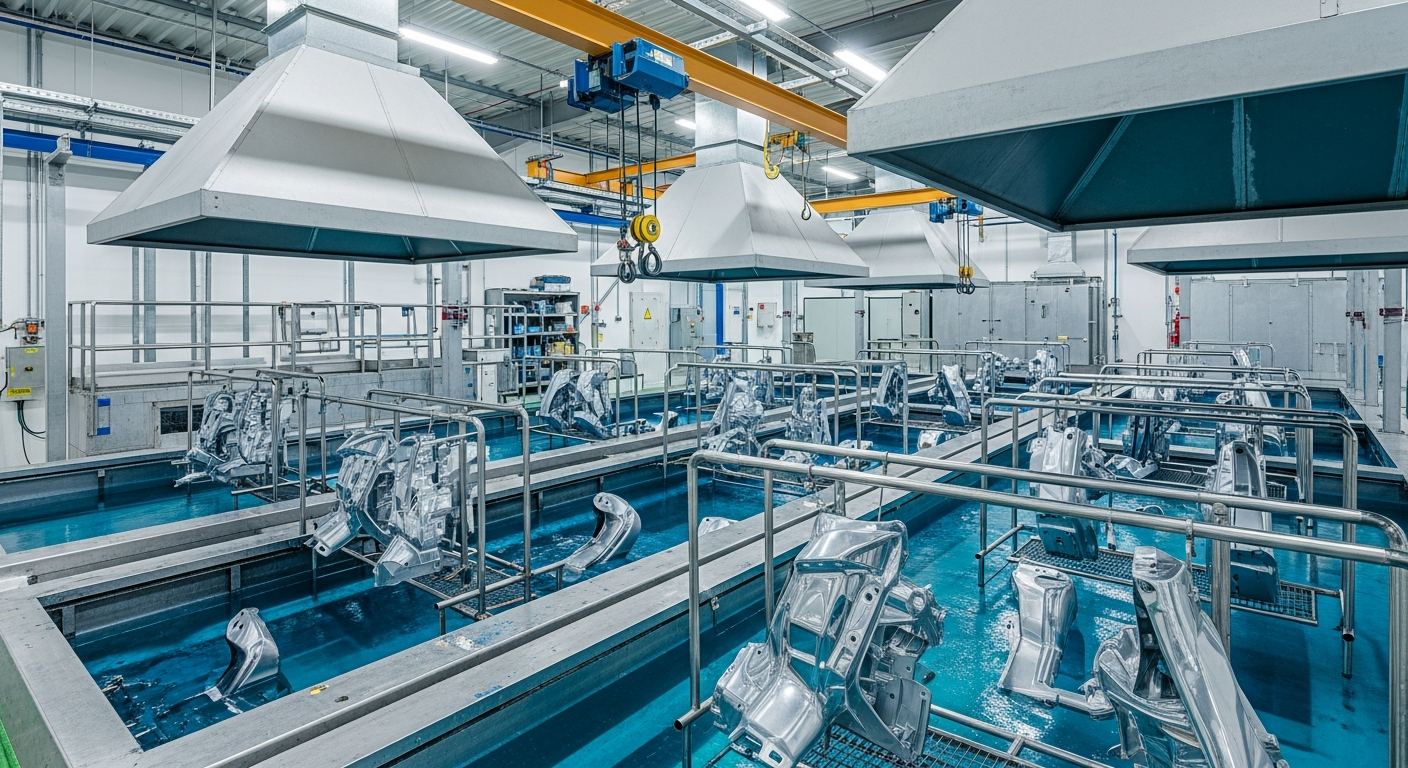
Electroplating uses an electric current to deposit metal onto a prepared substrate. Rack or barrel work, deposit material, customer thickness requirements and intermediate stages all shape the route. Keep those instructions and inspection records connected to each job.
From receiving to closeout
Track each plating stage, load and inspection
Keep job instructions, department handoffs and required records together from receiving through shipment.
- 01Identify the substrate, order quantity, lot and customer finish specification at receiving.
- 02Record preparation requirements and whether the parts move through rack or barrel work.
- 03Keep the specified deposit material and thickness requirements with the job instructions.
- 04Show intermediate stages and handoffs, including any required holds or customer-specific steps.
- 05Capture inspection results, rework disposition and lot traceability through closeout.
Check the work your shop runs
Can the workflow handle your jobs?
- How will your team distinguish rack and barrel routes and identify each load or lot?
- Where are substrate preparation requirements and deposit material recorded?
- Can operators find the customer’s specified thickness and inspection criteria at the right stage?
- How are intermediate work, rework, lot history and closeout documents kept together?
Plating FAQ
Questions about plating jobs
Does this guide cover electroplating or electroless nickel?
This page focuses on electroplating, where an electric current deposits metal. Electroless nickel deposits a nickel alloy, commonly nickel-phosphorus, through an autocatalytic chemical process rather than an externally applied current. See the electroless nickel workflow guide.
What should a plating traveler include?
Start with substrate and lot identification, preparation instructions, rack or barrel details, deposit material, customer thickness requirements, intermediate stages and inspection criteria.
How should customer thickness specifications be handled?
Keep the customer’s specified requirement and inspection method clear on the job, then discuss how the shop records results, exceptions and any rework disposition.
Can software determine plating parameters?
Process instructions and operating parameters should come from your approved process documentation. In a software discussion, focus on how your team finds those instructions and records the work.
Walk through your actual workflow.
A demo request starts a conversation; it does not book a calendar slot or create an account.